Do your eyes suddenly feel drier, grittier or more irritated as soon as the temperature drops? You’re certainly not alone. Dry eyes in winter are common, thanks to a combination of chilly outdoor air, central heating and even those extra evenings spent in front of a screen. Dry eye happens when your eyes do not produce enough tears, your tears evaporate too quickly, or the tear film is not working as effectively as it should. Here, we explain why winter can make symptoms worse – and the simple things you can do to keep your eyes more comfortable.
What is dry eye and what are the symptoms?
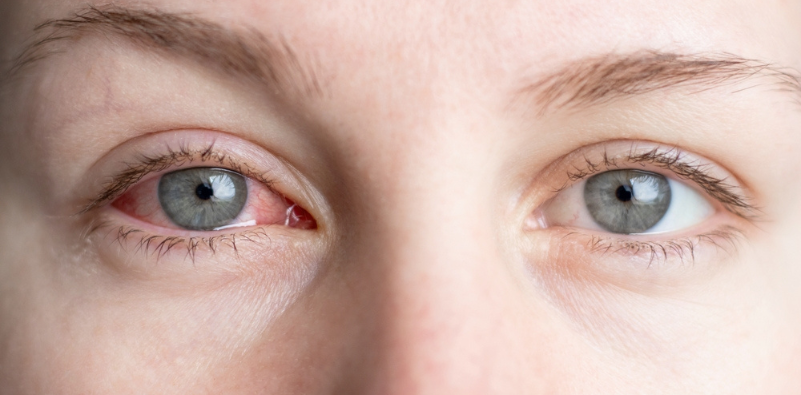
Your eyes are covered by a thin tear film, which helps keep their surface lubricated, comfortable and protected. This tear film contains a carefully balanced mixture of water, oils and mucus.
So, what is the cause of dry eyes? Dry eye can develop when you do not produce enough tears, when tears evaporate too quickly, or when that delicate balance is disrupted.
If you’re wondering, what are symptoms of dry eye?, common signs include:
- Dryness or a gritty, sandy sensation
- Burning or stinging
- Red or tired eyes
- Blurred vision that comes and goes
- Excessive watering
Yes, watery eyes can actually be a sign of dryness – more on that below!
Why are dry eyes worse in winter?

There is rarely one single culprit behind winter dry eyes. Instead, several seasonal factors can gang up on your tear film.
Can cold, dry outdoor air cause dry eyes?
Cold air generally contains less moisture than warm air. With lower humidity, moisture can evaporate from the surface of your eyes more quickly, potentially leaving them feeling dry and irritated.
Does central heating make dry eyes worse?
It certainly can. Radiators, central heating and warm office air can lower indoor humidity, encouraging your tears to evaporate faster. If your itchy dry eyes in winter seem particularly noticeable while you’re curled up beside the radiator, the warm, dry air could be contributing.
Try moving away from direct heat and consider using a humidifier to add a little moisture back into the room.
Can cold wind irritate your eyes?
Winter wind can both increase tear evaporation and irritate exposed eyes. Wearing glasses or sunglasses outdoors on particularly chilly or blustery days provides an extra barrier between your eyes and the elements.
Does extra screen time contribute to winter dry eyes?
Long winter evenings often mean more time indoors – and potentially more time using computers, televisions, phones and tablets.
When we concentrate on screens, we tend to blink less often. Because blinking helps spread tears evenly across the surface of the eye, fewer blinks can mean more dryness and discomfort.
How can you help prevent dry eyes in winter?

A few small changes can make a surprisingly big difference:
- Avoid sitting directly beside radiators, heaters or warm air vents.
- Consider using a humidifier in heated rooms.
- Take regular breaks from computers and other digital screens.
- Remember to blink fully and regularly while using screens.
- Try the 20-20-20 rule: every 20 minutes, look at something 20 feet away for at least 20 seconds.
- Wear glasses or sunglasses outside in cold or windy weather.
- Stay adequately hydrated.
- Ask your optometrist or pharmacist about suitable lubricating eye drops or artificial tears.
If you wear contact lenses, you may also find they become less comfortable when your eyes are dry. Persistent discomfort is something to discuss with an eye-care professional rather than simply putting up with it.
When should you see an optometrist about dry eyes?
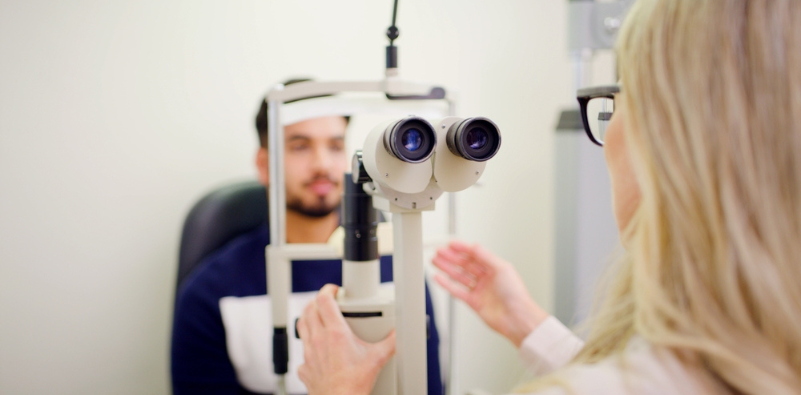
Occasional mild dryness may improve with these simple environmental changes, but symptoms that persist deserve a closer look.
Arrange professional advice if your symptoms regularly interfere with everyday activities, your vision remains affected, your eyes become particularly painful or unusually red, self-care is not helping, or your contact lenses are consistently uncomfortable.
A professional dry eye assessment can help establish what is causing your symptoms and identify an appropriate management or treatment plan.
FAQs
Can cold weather cause dry eyes?
It can contribute. Winter air is often less humid, while cold winds can increase evaporation from the eye’s surface.
Why do my eyes water when they’re dry in winter?
Dryness can irritate the eye and trigger reflex tear production. So, slightly confusingly, watery eyes can sometimes be your eyes’ response to being too dry.
Does central heating make dry eyes worse?
Yes, it can. Heating reduces indoor humidity, which may cause your tears to evaporate more quickly and make symptoms more noticeable.
Give uncomfortable winter eyes some TLC
If dry, gritty, watery or irritated eyes are becoming a regular winter companion, you don’t have to simply tolerate them. The team at The Optical Studio can assess your symptoms and recommend an appropriate approach for your individual eyes.
Book an eye examination or dry eye assessment with The Optical Studio at our practices in Pimlico, Haslemere, Dorking, Farnham, Virginia Water or Godalming.