If you have ever heard ringing, buzzing or humming when the room around you is perfectly quiet, you may have experienced tinnitus symptoms. Tinnitus is the perception of sound when there is no corresponding external sound source. While it is often described simply as “ringing in the ears”, it can sound very different from one person to another. It may be temporary or persistent, appear in one or both ears, or even feel as though the noise is coming from somewhere inside your head.
What are the most common tinnitus symptoms?
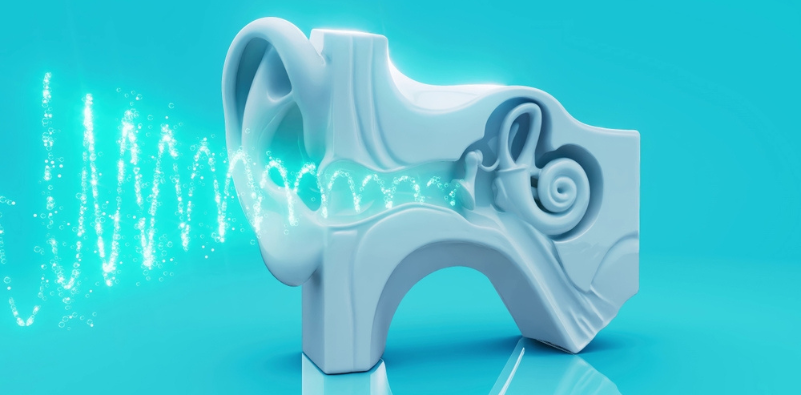
Tinnitus has quite the sound effects library! Some people hear a high-pitched ring, while others notice buzzing, humming, hissing, whistling or whooshing. Clicking and pulsing sounds can also occur.
The noise can be high or low pitched, loud or quiet, constant or intermittent. You might hardly notice it during a busy day but become much more aware of it when everything goes quiet at bedtime.
It is also worth separating tinnitus itself from related hearing difficulties. Tinnitus does not automatically mean you have hearing loss, although the two commonly occur together. Changes in hearing or increased sensitivity to everyday sounds are therefore good reasons to have your hearing health checked.
If you are wondering what causes tinnitus, there is no single answer. Possible associations include hearing loss, ear infections, impacted earwax and certain ear or health conditions, which is why professional assessment can be helpful.
How can tinnitus affect your daily life?

The impact varies enormously. Some people barely give their tinnitus a second thought, while others find it more distracting.
For those who are affected, tinnitus can make concentrating on work or reading more difficult. Quiet evenings may make the noise feel more noticeable, and some people struggle to fall asleep or stay asleep. It may also lead to frustration, irritability or difficulty relaxing.
When tinnitus occurs alongside hearing loss, following conversations can sometimes become harder too. That does not mean tinnitus has to take over your day, however. Finding the right management techniques can often make the sounds feel less intrusive.
How can you help with tinnitus at home?

If you are searching for how to help with tinnitus, small changes can make a useful difference.
Complete silence is not always your friend. Gentle background sounds such as soft music, a fan or relaxing natural sounds can reduce the contrast between tinnitus and a quiet room. The Optical Studio also recommends relaxation and stress management, as tinnitus may become more noticeable during stressful periods.
A consistent bedtime routine can help if tinnitus affects your sleep. It is also sensible to use appropriate hearing protection around genuinely loud noise, while avoiding unnecessary earplug use in ordinary environments.
And if you have noticed changes to your hearing alongside tinnitus, you may be asking, “Where can I get a hearing test?” A professional hearing assessment is an excellent place to start.
How can an audiologist help with tinnitus?
There is no one-size-fits-all approach to tinnitus treatment or management. An audiologist can discuss what your tinnitus sounds like, when you notice it and how it affects everyday life, while also assessing your hearing.
At The Optical Studio, our hearing care services include hearing health checks, hearing assessments and personalised hearing solutions. If hearing loss is present, appropriately fitted hearing aids may form part of a wider solution, alongside practical strategies for communication and managing tinnitus.
Persistent or troublesome tinnitus deserves proper attention rather than endless guesswork. If the noise is affecting your sleep, concentration or enjoyment of everyday life, book an appointment with The Optical Studio audiology team. We can assess your hearing health and help you find a management approach suited to you.
Please note: if you develop tinnitus that pulses in time with your heartbeat, seek medical advice promptly. The Optical Studio advises contacting your GP urgently for this type of symptom.